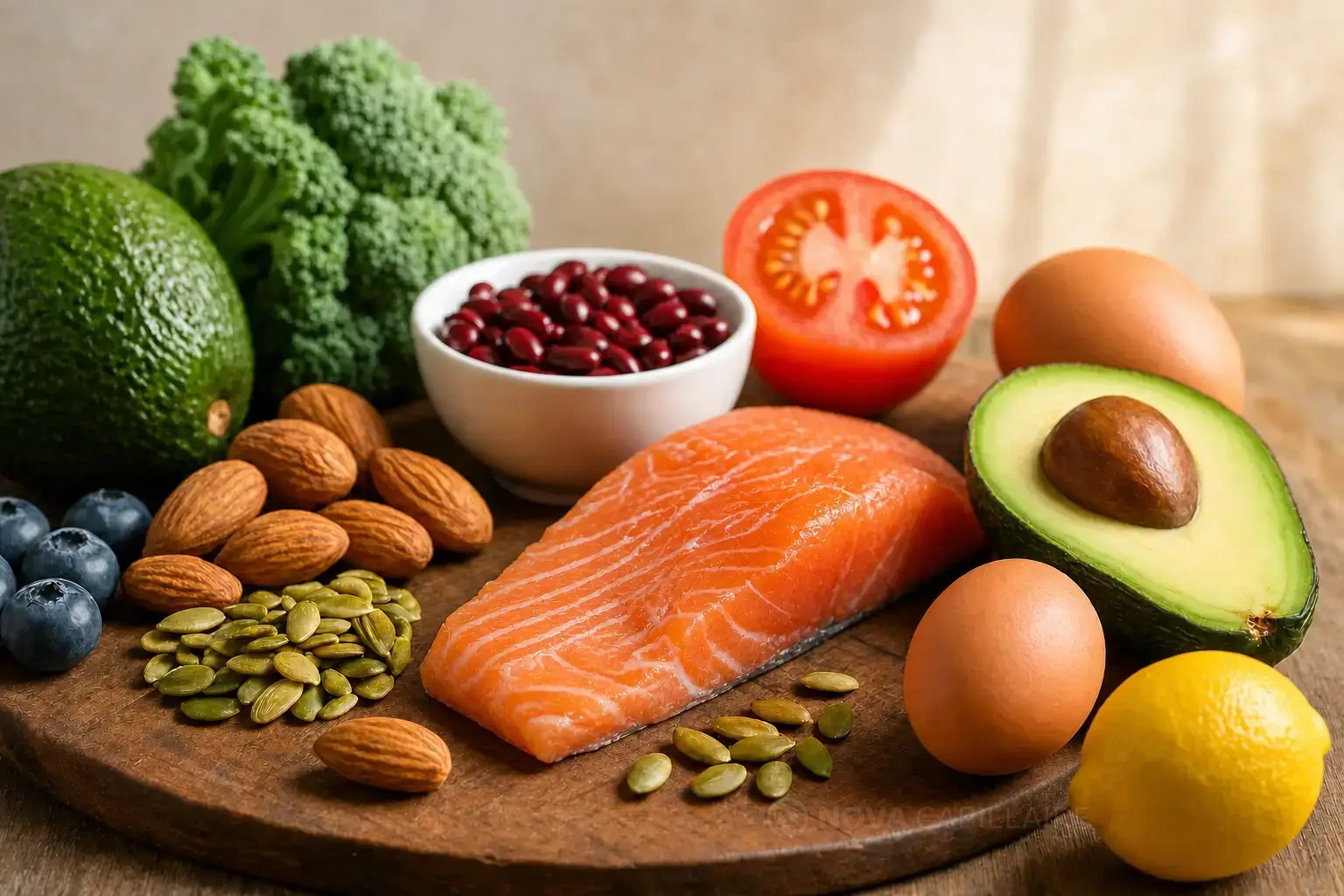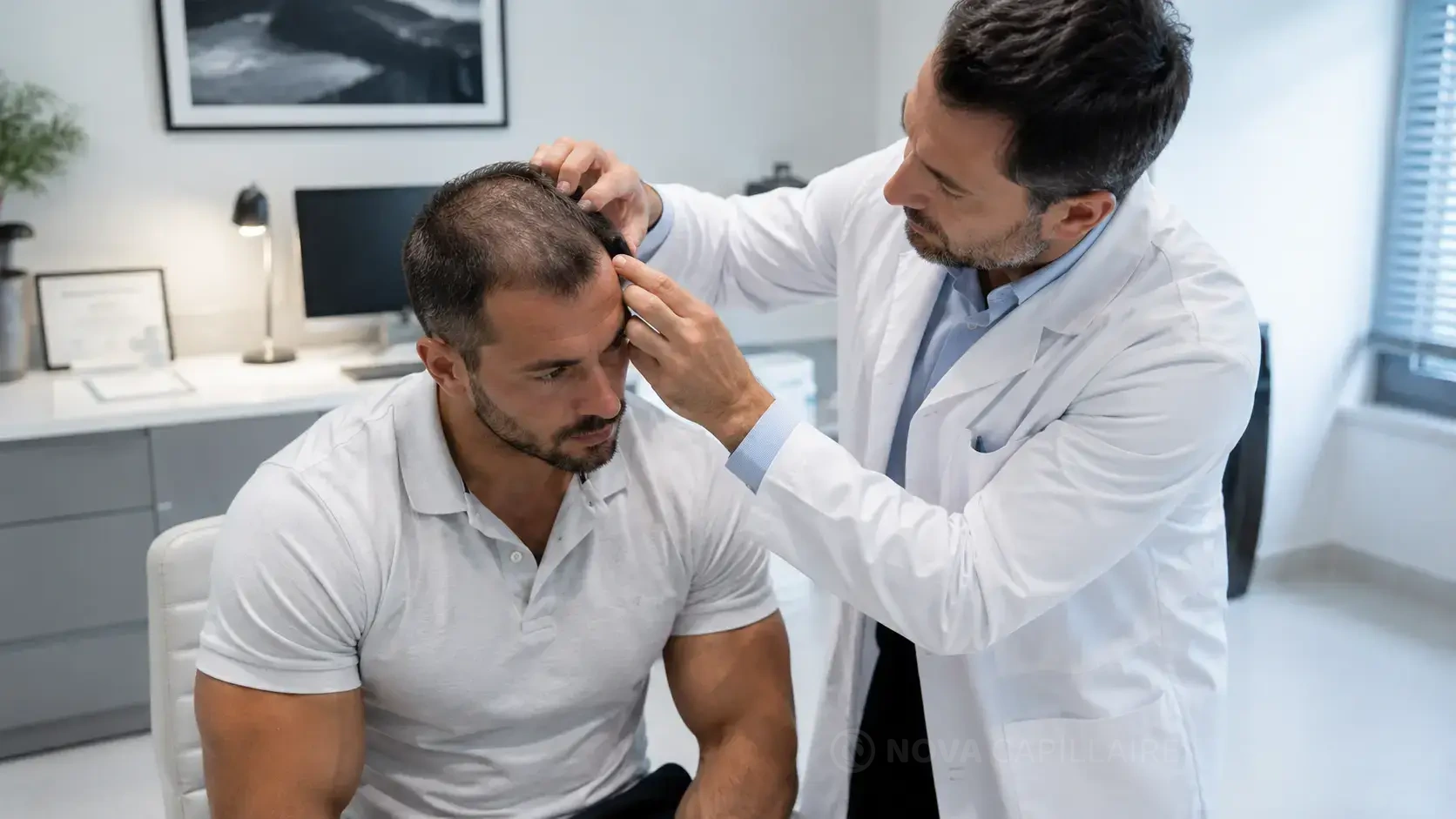
DHT, or dihydrotestosterone, is one of the most frequently cited factors in androgenetic alopecia. In practice, diet does not "block" DHT alone as a suitable medical treatment might, but it can help support the hair condition, nutrient supply, and overall body balance. This is why the expression anti-DHT foods. The term is convenient for searching, but should be interpreted cautiously: these are mainly foods that can support a healthy lifestyle, not a miracle cure for hair loss.
DHT and hair: what you really need to understand
DHT is a hormone derived from testosterone. In genetically sensitive individuals, it contributes to the progressive miniaturization of hair follicles, making hair finer, shorter, and then less visible over time.
If you want to better understand hair loss from a broader perspective, our article on creatine and hair loss might also interest you.
What diet can actually provide
The goal of good nutrition is not to promise complete DHT blocking. The idea is rather to supply the scalp with nutrients used to produce quality hair fiber and better tolerate fragile periods.
| Nutrient | Why it matters | Examples of foods |
|---|---|---|
| Proteins | Hair is made of keratin, a protein. Insufficient intake can weaken the fiber. | Eggs, fish, legumes, dairy products |
| Zinc | Zinc is involved in many cellular mechanisms related to skin and appendages. | Oysters, pumpkin seeds, nuts, legumes |
| Omega-3s | They contribute to skin comfort and overall body balance. | Salmon, sardines, flaxseeds, walnuts |
| Antioxidants | They help support the body against oxidative stress, a context often mentioned in hair issues. | Red fruits, green vegetables, broccoli |
15 foods often cited to support hair
Fifteen ideas to vary your diet: none of these foods replace hair loss treatment.
 01
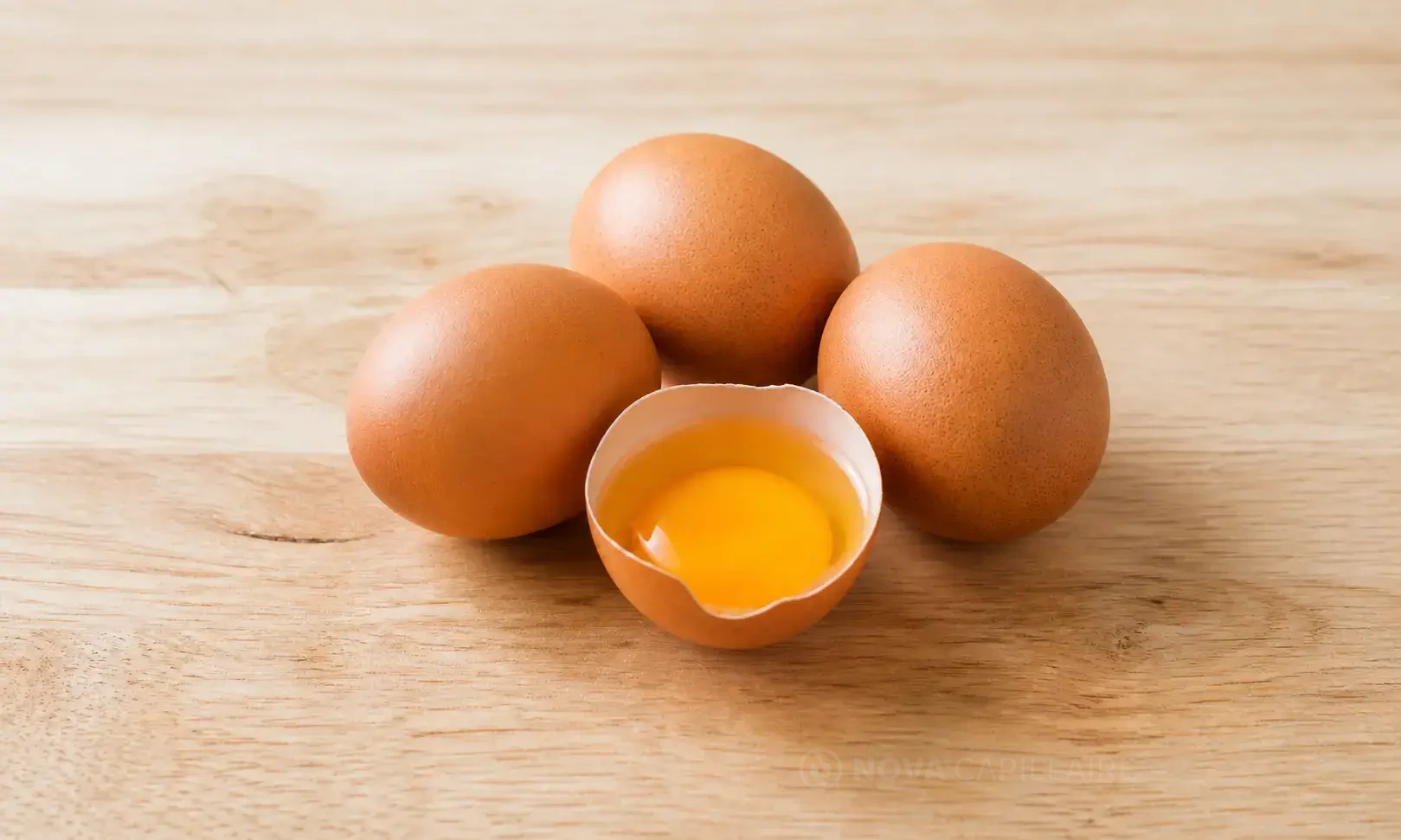
01Eggs
Eggs provide good-quality proteins, biotin, and several micronutrients useful for general health. They are among the easiest foods to integrate into a balanced diet.
 02
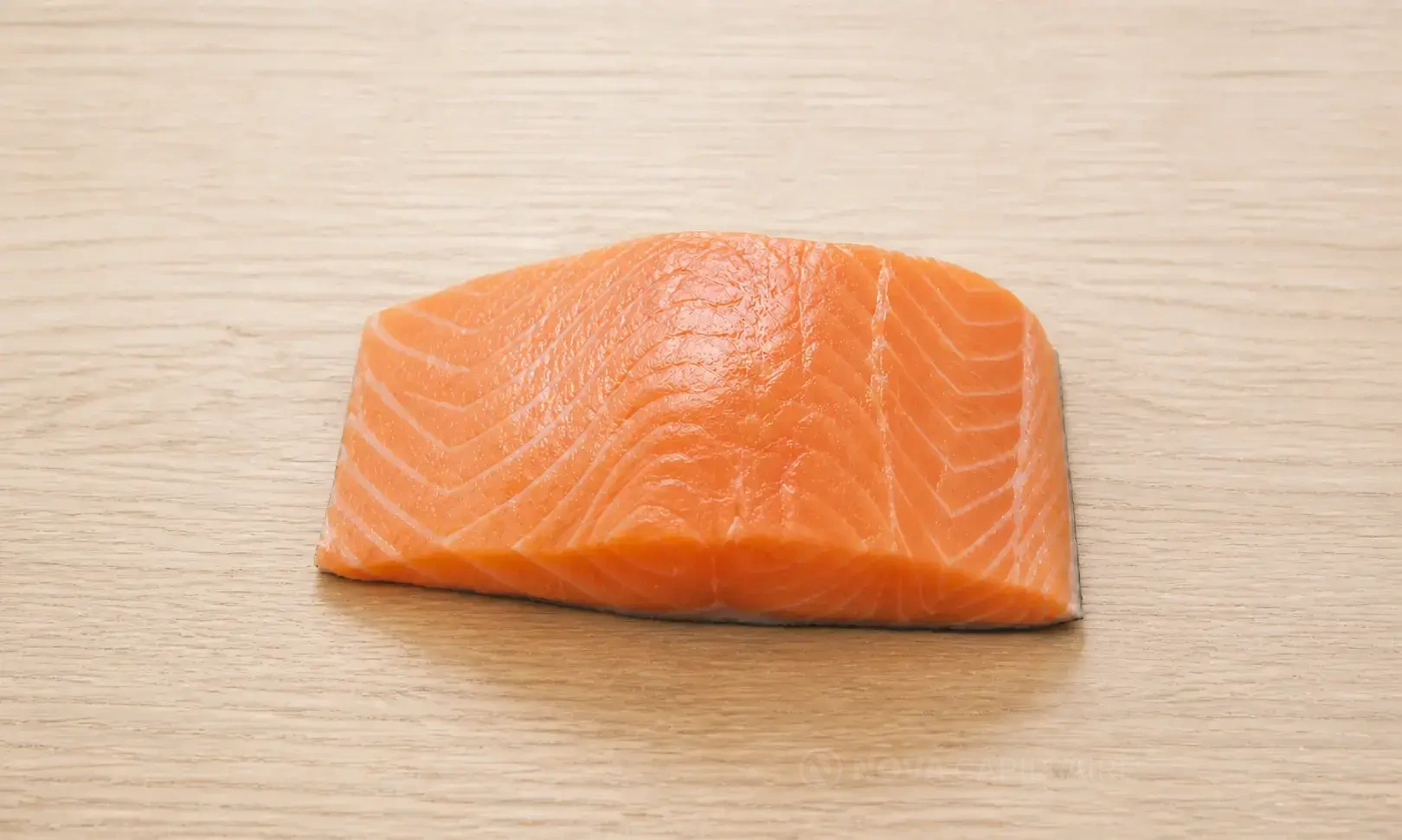
02Salmon
Salmon is often cited for its richness in omega-3 and protein. It does not suppress DHT but helps build a diet more favorable to the scalp.
 03
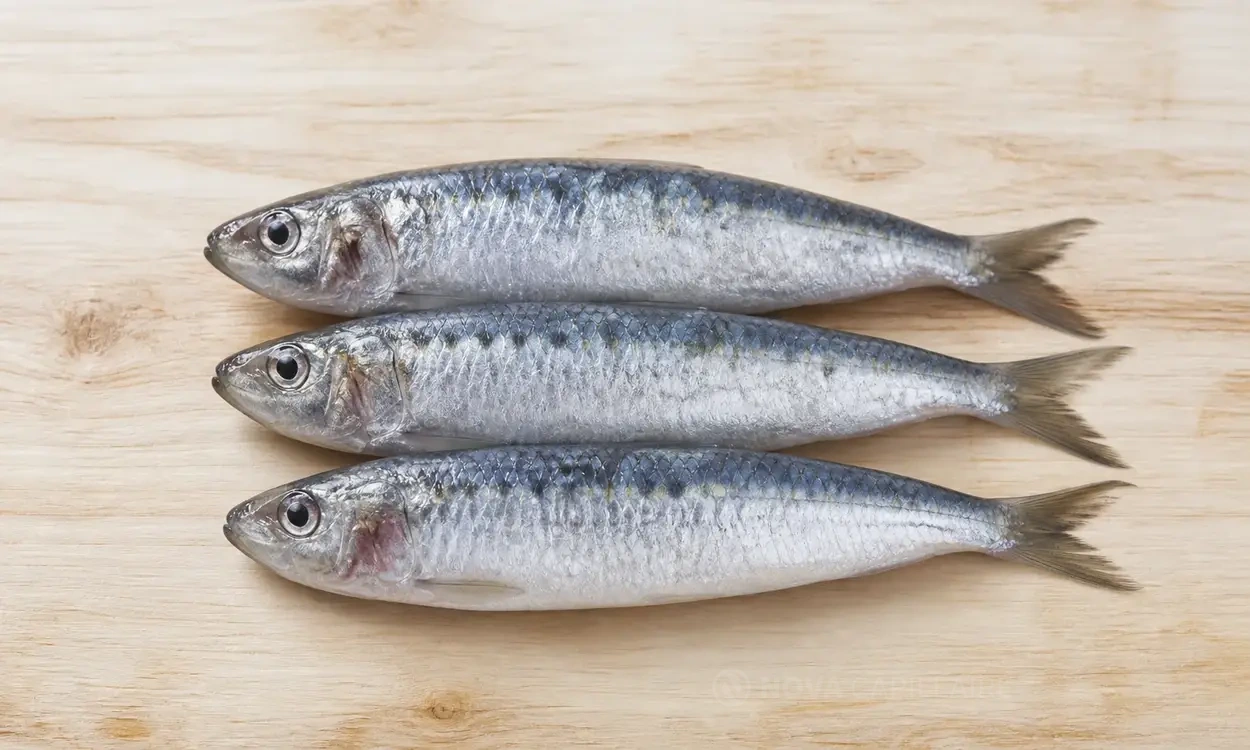
03Sardines
Sardines are interesting for their proteins, omega-3s, and dense nutritional profile. They offer a practical and often more economical alternative to more noble fish.
 04
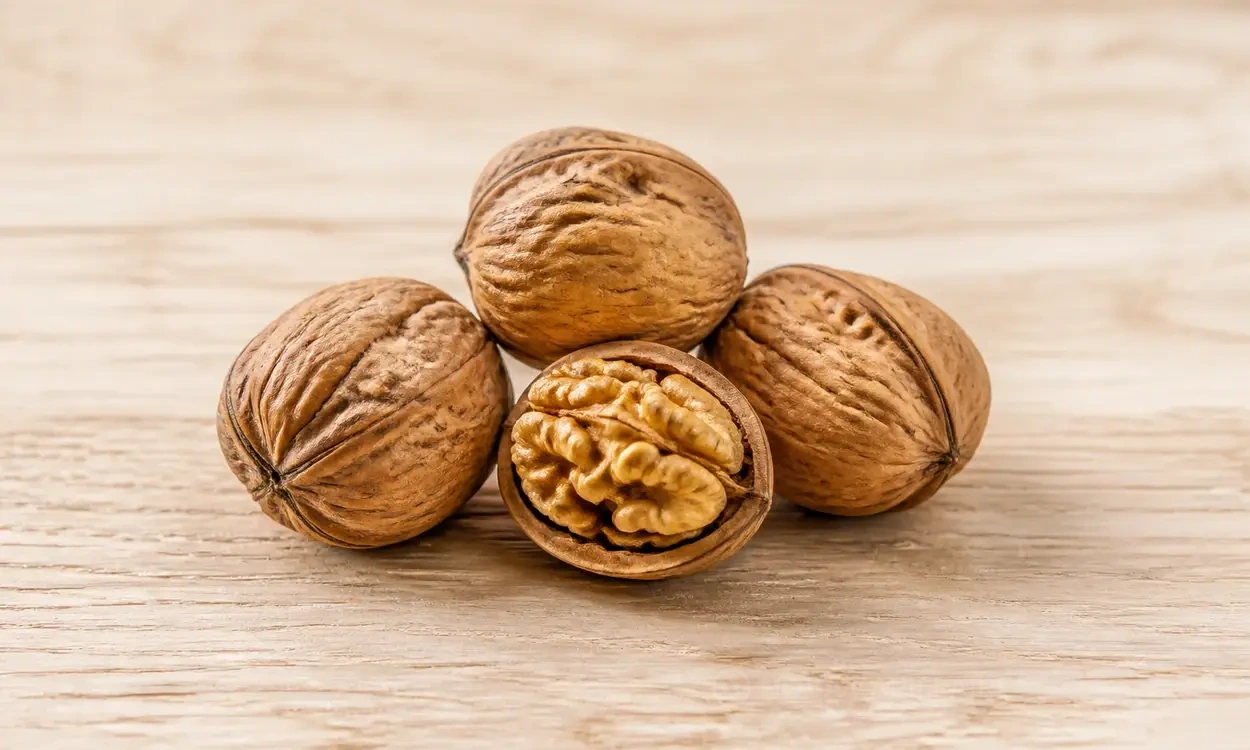
04Nuts
Nuts provide quality lipids, some zinc, and antioxidant compounds. They are useful in an overall nutritional support approach, without excessive promises.
 05
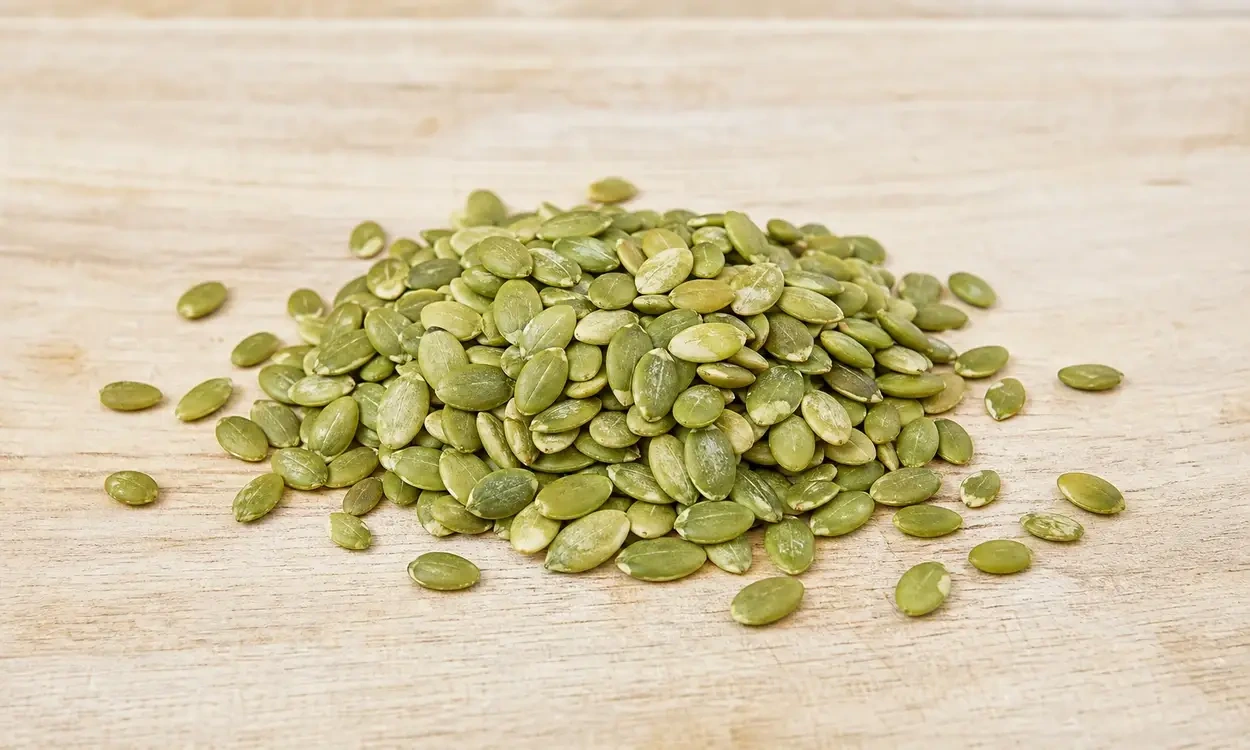
05Pumpkin seeds
Pumpkin seeds often appear in lists of foods associated with men's and hair health. Their interest mainly lies in their zinc and good fat content.
 06
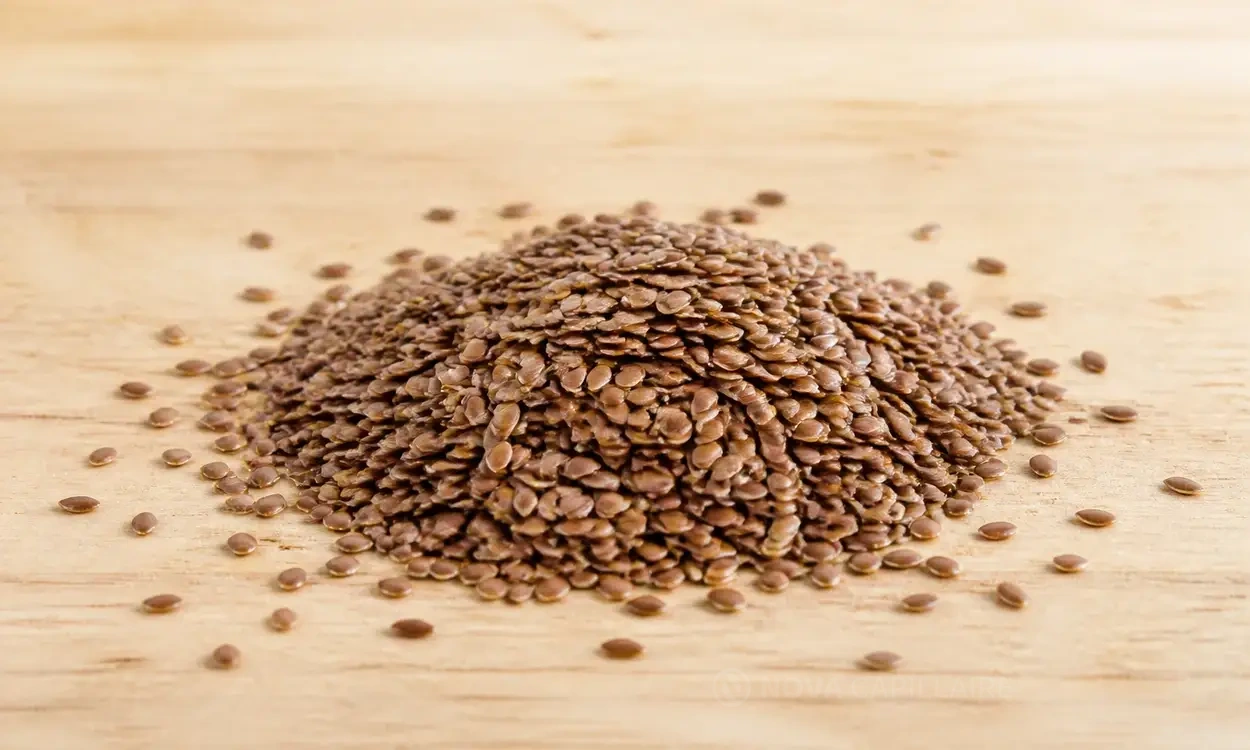
06Flaxseeds
Flaxseeds are known for their plant-based omega-3 content. They can easily be added to yogurt, salads, or cereal bowls.
 07
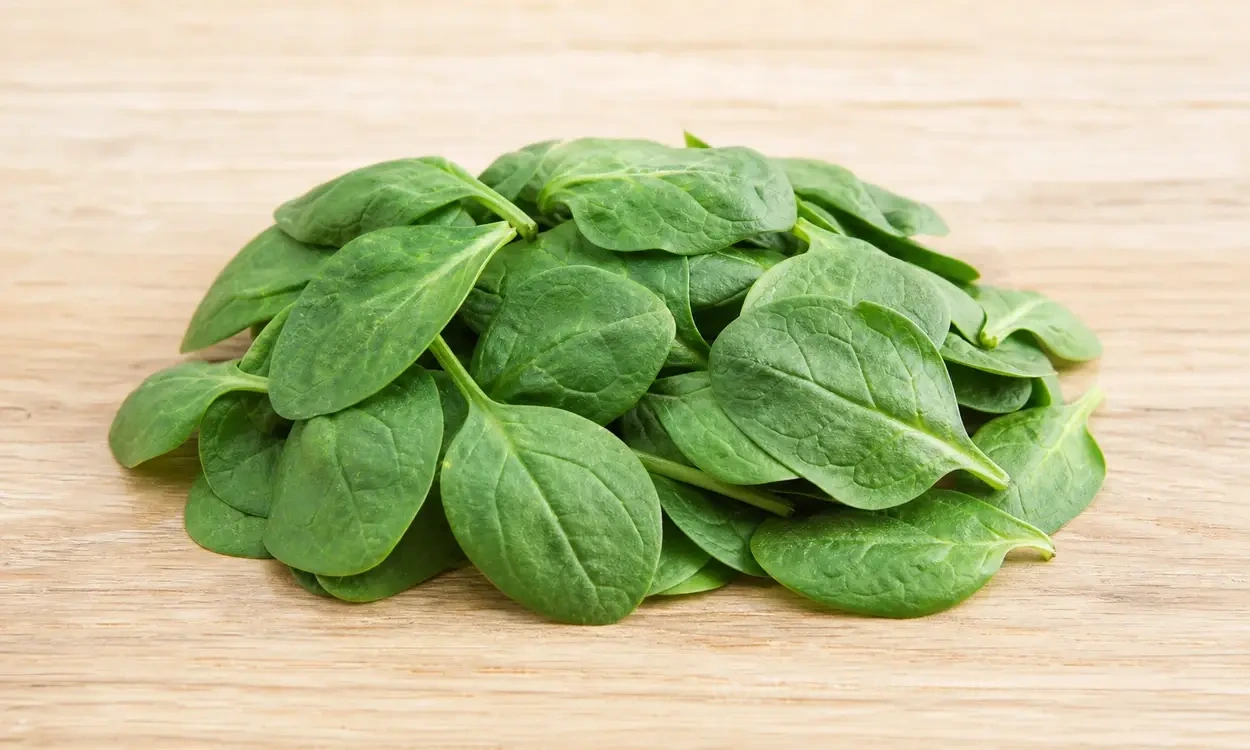
07Spinach
Spinach provides folate, magnesium, and antioxidants. Like many green vegetables, it contributes to varied and useful general dietary balance.
 08
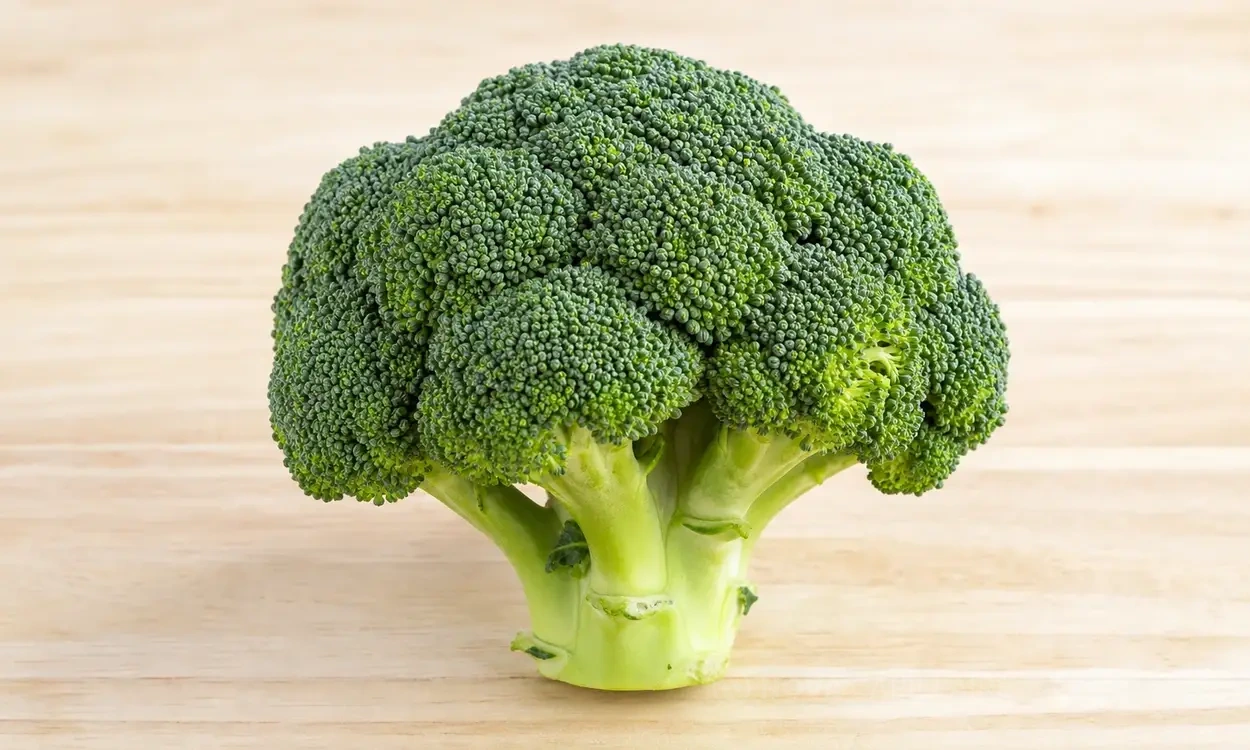
08Broccoli
Broccoli is often highlighted for its sulfur compounds and nutritional density. It doesn't act as a direct anti-DHT but fits well in a global support logic.
 09
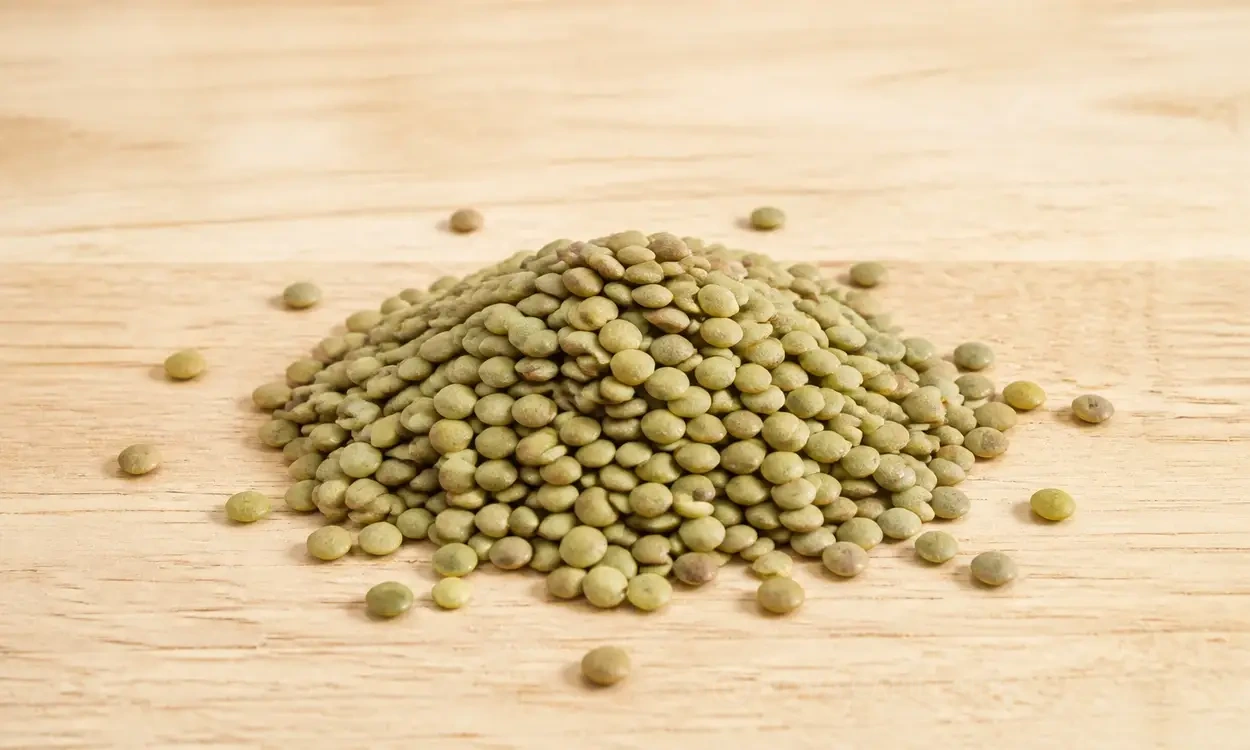
09Lentils
Lentils provide plant proteins, iron, and fiber. They are especially interesting when the diet needs to remain simple, economical, and regular.
 10
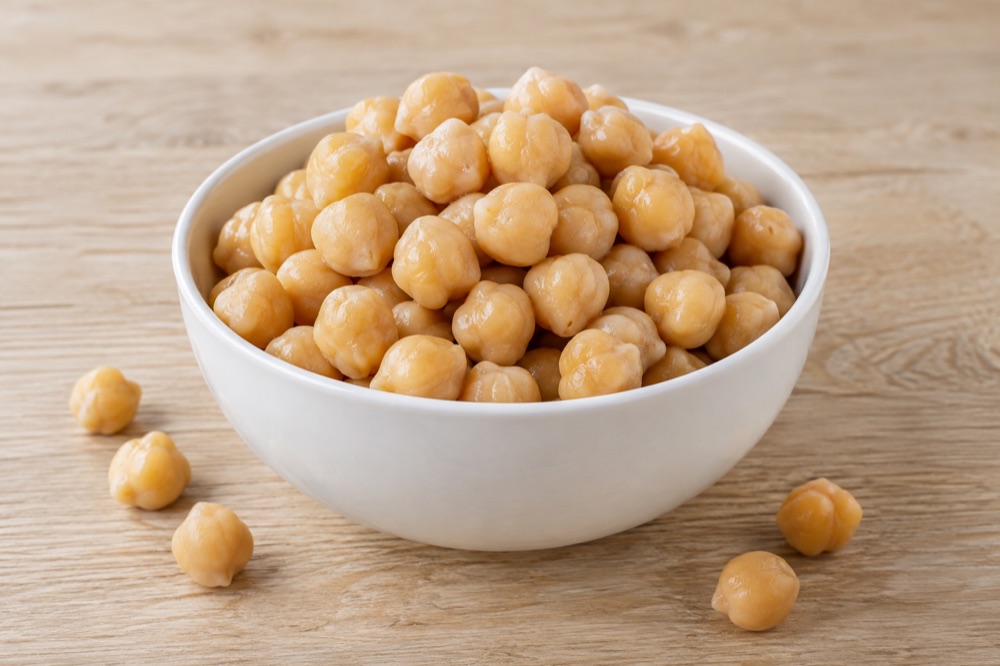
10Chickpeas
Chickpeas provide plant proteins and fiber. They allow varying legumes in a balanced diet, without being a treatment against DHT.
 11
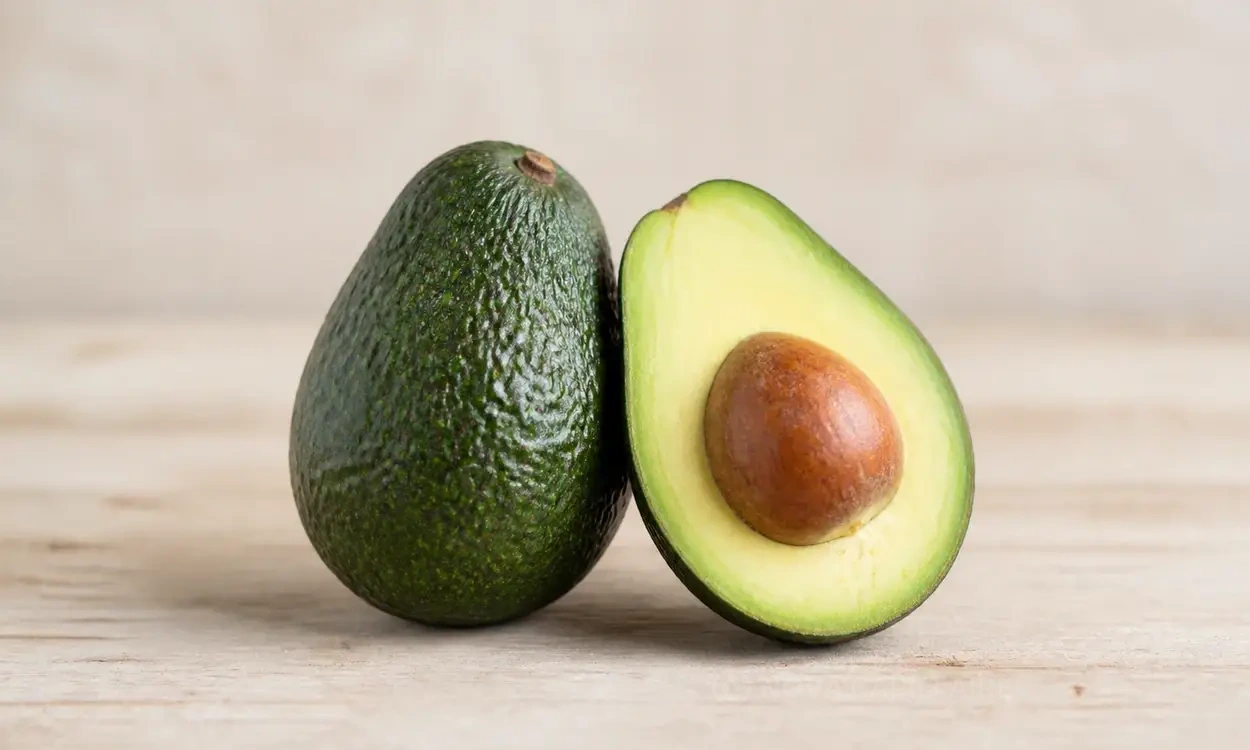
11Avocado
Avocado provides unsaturated fats and several useful micronutrients. It can fit into a meal aiming for satiety and nutritional variety.
 12
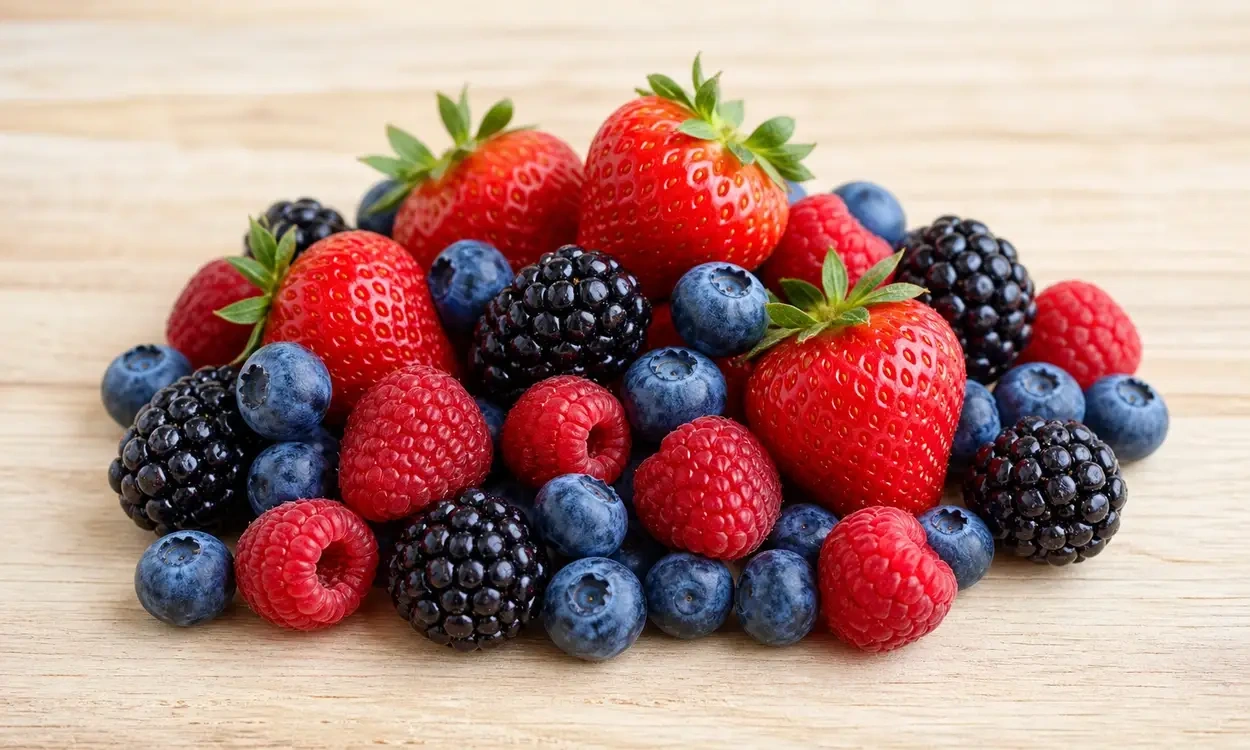
12Red fruits
Strawberries, blueberries, raspberries, or blackberries are often associated with antioxidants. They don't change DHT alone but complement a plant-rich diet.
 13
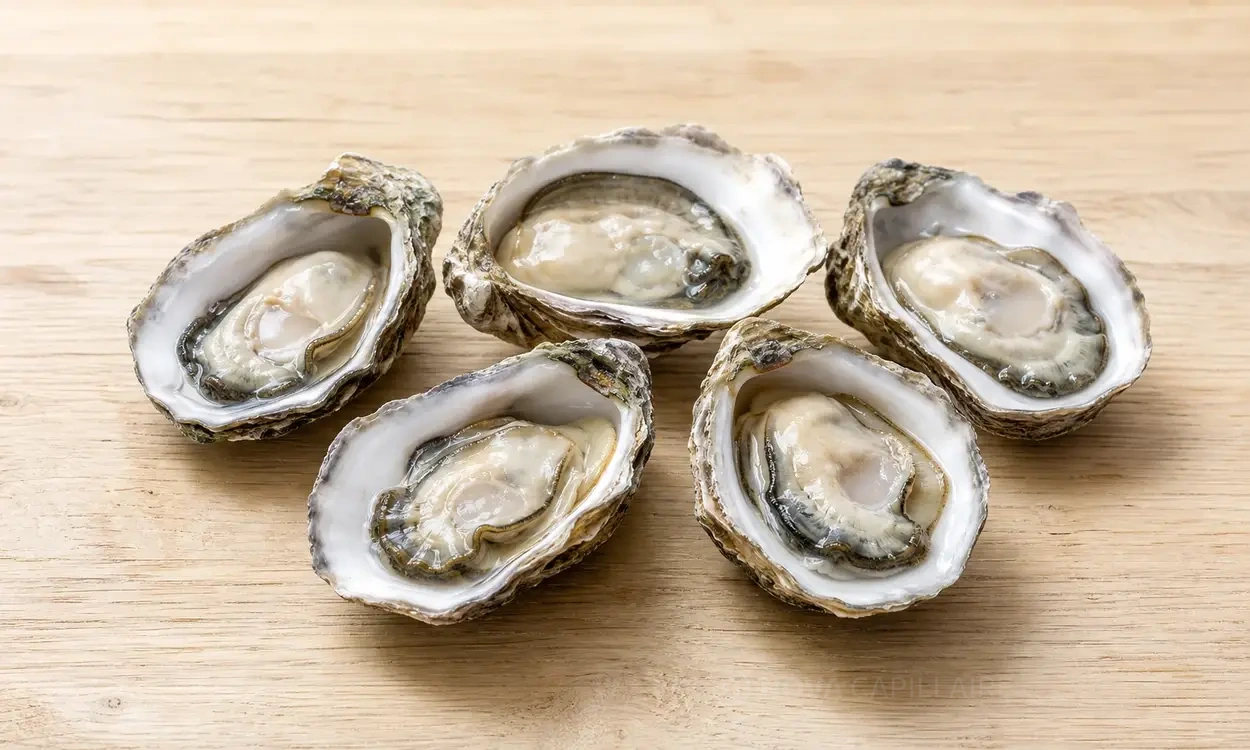
13Oysters
Oysters are often cited for their high zinc content. They are not suitable for everyone but illustrate the importance of micronutritional status.
 14
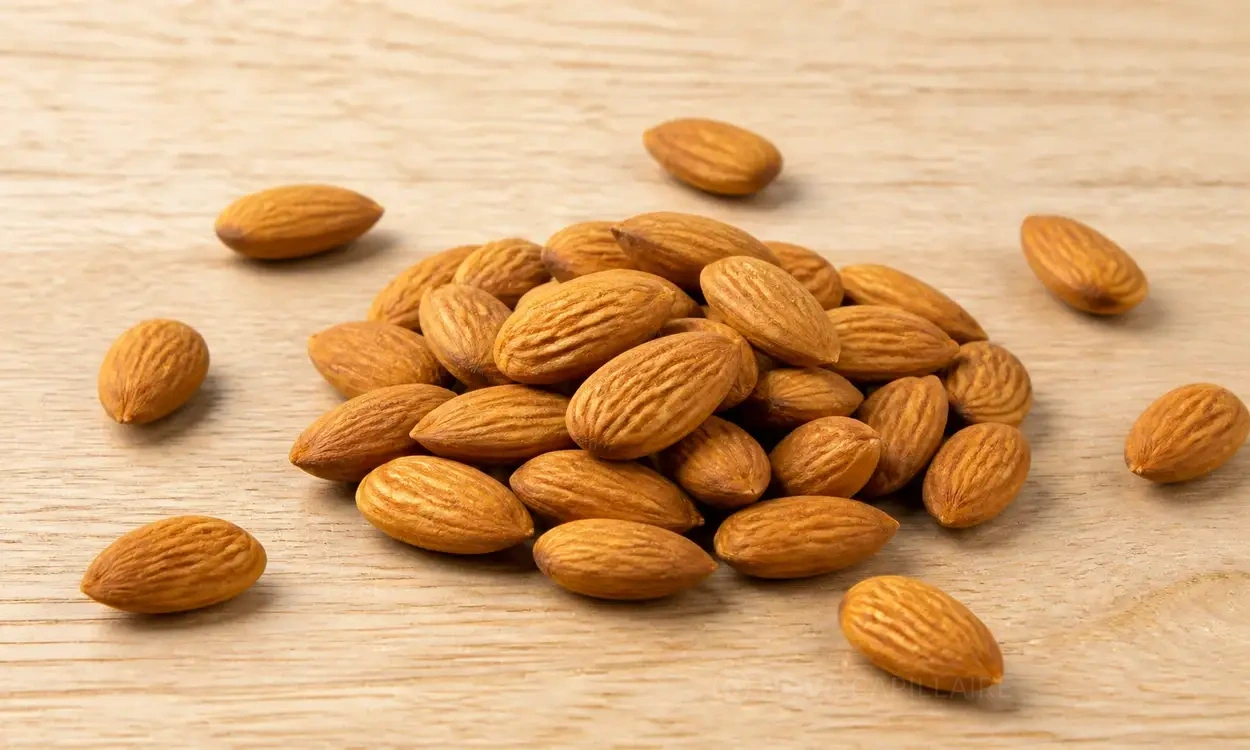
14Almonds
Almonds provide quality fats, vitamin E, and minerals. They can be used as a snack, provided the quantities are kept reasonable.
 15
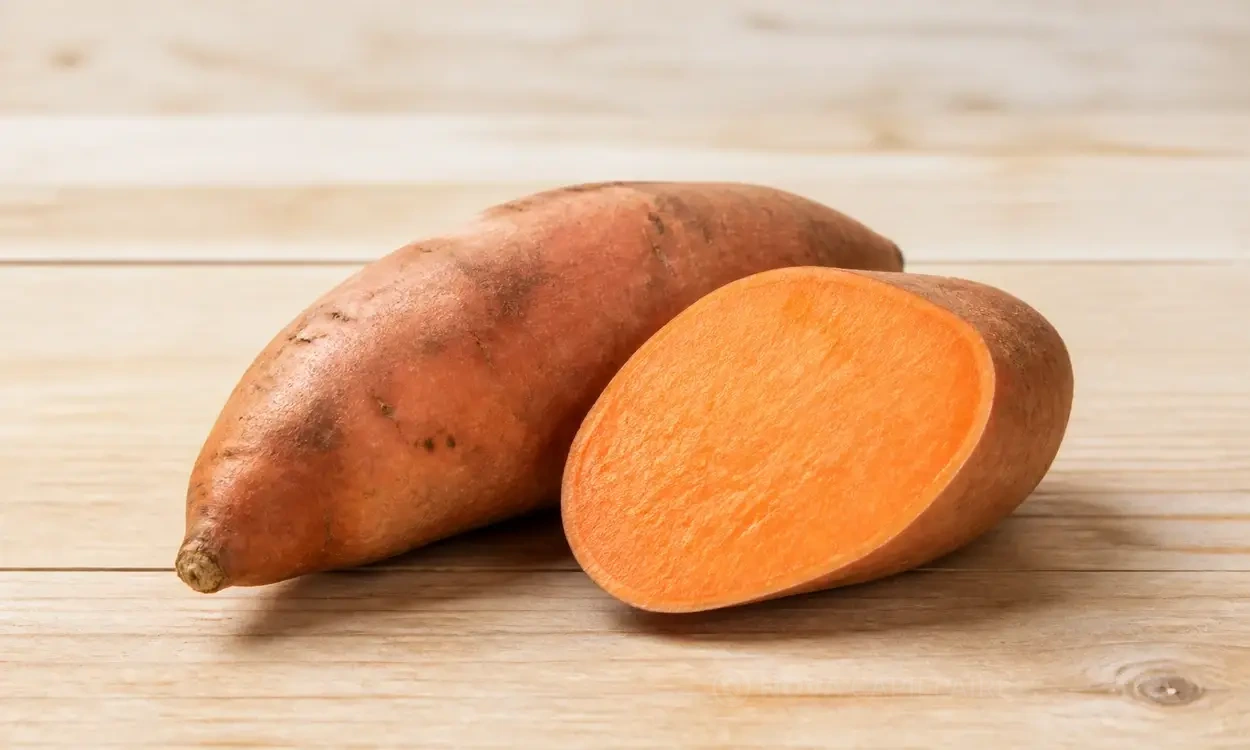
15Sweet Potato
Sweet potato is interesting for its beta-carotene content, which supports the proper functioning of the body. It easily fits into a balanced and simple meal plan.
Why diet alone is not always enough
If hair loss is related to well-established androgenetic alopecia, foods generally are not sufficient to reverse the process. In such cases, medical advice allows discussion of genuinely useful options, from prevention to therapeutic support.
Depending on the context, a doctor may suggest approaches such as finasteride, minoxidil, or other strategies tailored to the patient’s profile. The important thing is not to confuse nutritional advice with medical treatment.
If hair loss is recent, diffuse, or unusual, other possible causes should also be considered: low ferritin, thyroid issues, stress, scalp inflammation, or hormonal changes. This is exactly what prevents misinterpretation.
When to consult?
Une consultation capillaire devient pertinente si vous observez une chute rapide, une perte diffuse inhabituelle, un éclaircissement net au niveau des golfes ou du vertex, ou encore une chute accompagnée de fatigue, de troubles thyroïdiens ou d’autres symptômes généraux.
The goal is not to dramatize but to establish the correct diagnosis. The earlier the cause is identified, the more likely the proposed strategy will be coherent and realistic.
For a more comprehensive approach to care, you can also read our guide on post-hair transplant care.
Frequently asked questions about DHT and foods
Can foods block DHT?
Should these foods be eaten daily?
Is a dietary supplement more effective than food?
Who is most exposed to androgenetic alopecia?
Does thyroid-related hair loss resemble that caused by DHT?
When should one stop searching for a dietary-only solution?
In summary
Anti-DHT foods are chiefly a practical way to talk about a diet that supports hair health. They can help improve nutritional status but do not block DHT like a targeted treatment.
Sources and guidelines
To deepen diagnosis and the limits of supplements: